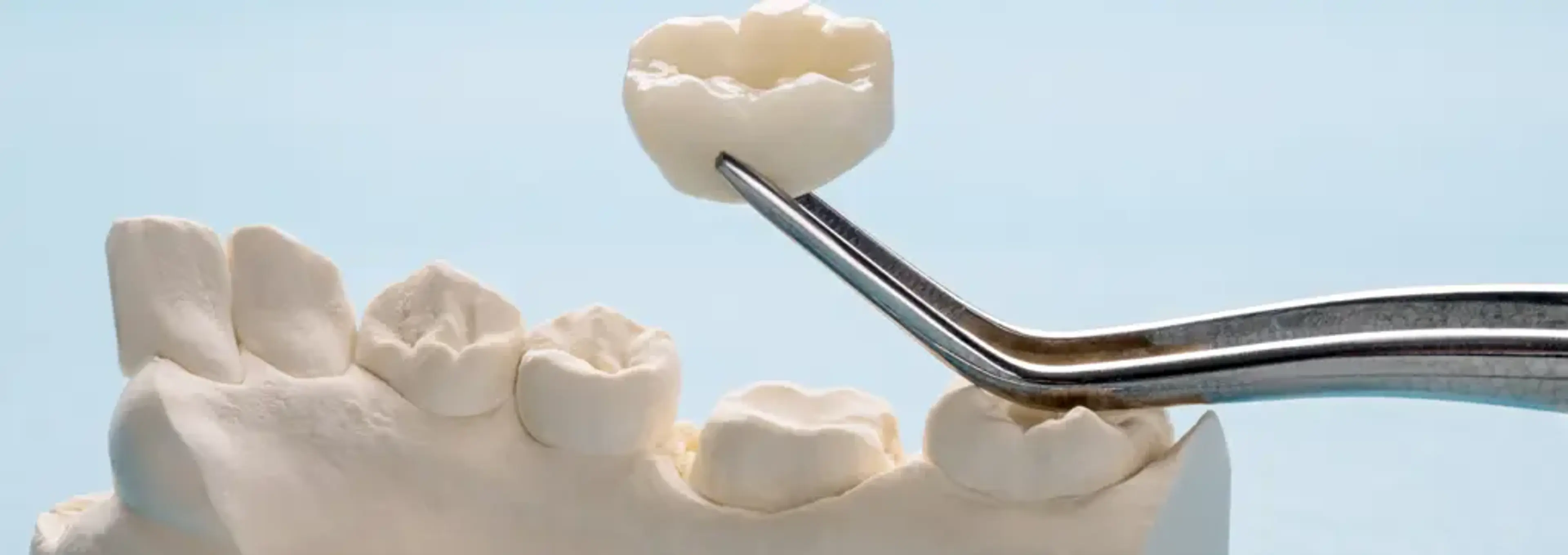
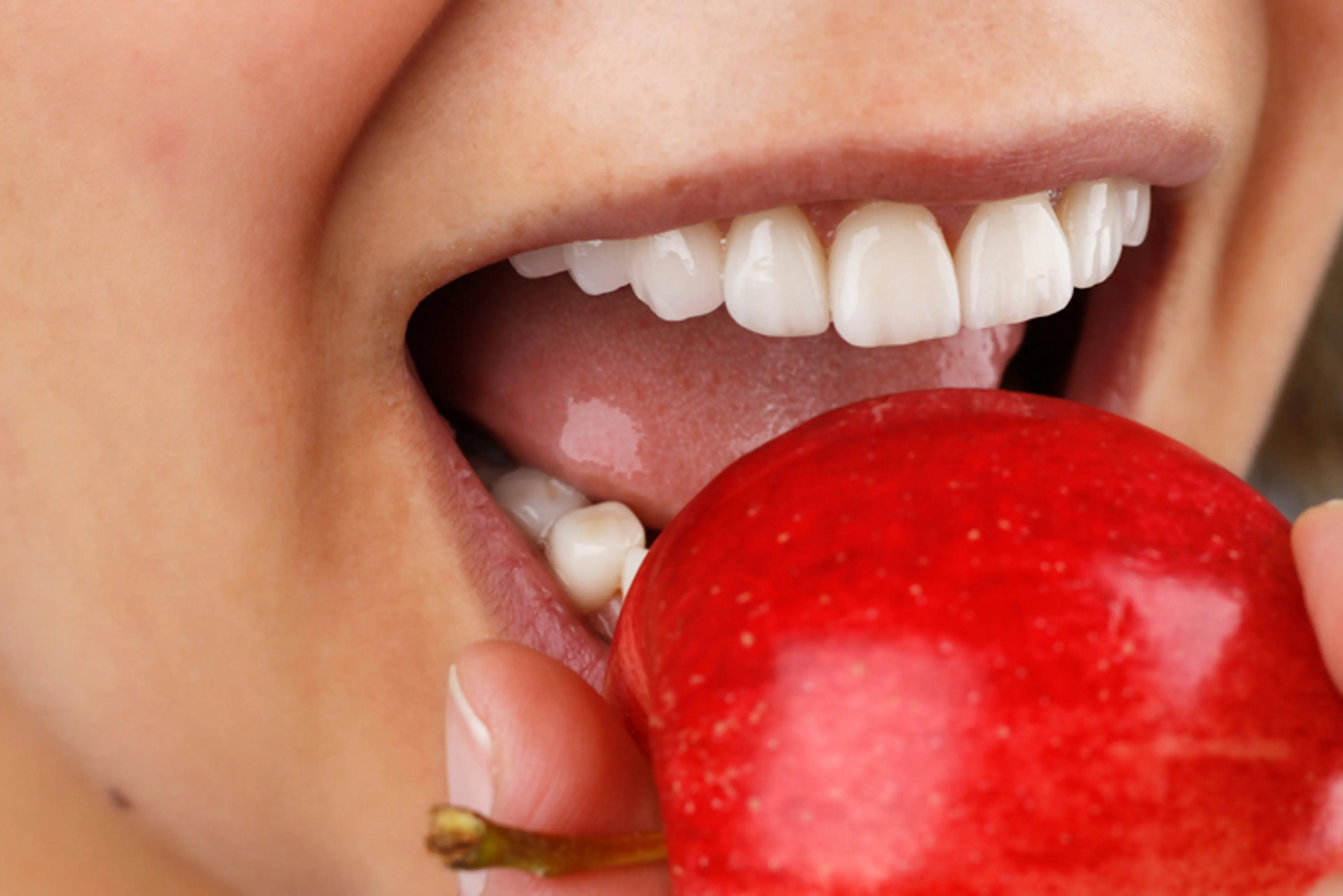
When you’re facing the prospect of restoring a chipped, cracked, or worn tooth, one of the biggest questions patients ask is about durability: “Which is stronger — zirconia crowns or porcelain crowns?” This isn’t just a cosmetic concern; it’s about how long your investment in oral health will last, how the crown will behave under chewing forces, and how it fits with your bite and jaw function.
In this article, we’ll break down the important differences between zirconia crowns and porcelain (often porcelain-fused-to-metal) crowns, look at how they perform in the real world, and give you insight into which option might be more durable for your specific needs — explained in a way that feels clear, not clinical.
A Quick Reality Check: What “Durability” Really Means for a Dental Crown
a-quick-reality-check:-what-"durability"-really-means-for-a-dental-crownWhen dentists talk about durability, we’re thinking about several things:
Strength under biting forces (chewing pressure)
Resistance to chipping or fracture
Wear over time
Longevity in the mouth
How the material interacts with opposing teeth
Many patients hear “harder is better” and assume the strongest material is always the best choice. In reality, the best material balances strength with compatibility — both with your bite and with the tooth structure that remains.
To use a simple metaphor: A material that is very hard but brittle is like glass — strong until it suddenly breaks. A material that balances strength and resilience is like a good suspension bridge — it can take force and flex slightly without failing. That’s the difference we’re exploring here.
Zirconia Crowns: The Modern “Workhorse” of Restorative Dentistry
zirconia-crowns:-the-modern-"workhorse"-of-restorative-dentistry
Zirconia crowns have become extremely popular in the past decade — and for good reason.
What Zirconia Is
what-zirconia-isZirconia is a type of ceramic oxide — not metal, but a very strong engineered material. It’s sometimes called “ceramic steel” in dentistry because of how well it can withstand force.
Zirconia crowns are made using CAD/CAM milling technology from a solid block, resulting in crowns that are precise, dense, and very tough.
Strength and Fracture Resistance
strength-and-fracture-resistanceOne of the biggest advantages of zirconia crowns is exceptional strength. They are:
Highly resistant to cracking and fracturing
Less likely to chip compared to traditional porcelain
Capable of handling heavy chewing forces, especially in back teeth
Because of this, zirconia is often the crown of choice for molars and bridges where bite forces are greatest, especially for patients who grind their teeth (bruxers).
Longevity in the Mouth
longevity-in-the-mouthIn everyday clinical practice, zirconia crowns tend to last a long time — often 10–15+ years — provided they are properly designed, fitted, and maintained. Some last even longer.
Wear on Opposing Teeth
wear-on-opposing-teethA nuance that’s easy to overlook: very hard materials can cause wear on the opposing tooth over time. Highly polished zirconia is gentler than rough zirconia, but still can be more abrasive than natural enamel or softer ceramics if not properly finished.
Esthetics
estheticsZirconia’s high strength used to come at the cost of esthetics — crowns looked less translucent and more opaque. Today’s high-translucency zirconia has improved significantly, though it still may not match the lifelike qualities of layered porcelain in every situation.
Porcelain Crowns: Tried, True — and Beautiful
porcelain-crowns:-tried-true-and-beautifulWhen most people say “porcelain crown,” they are referring to:
Porcelain-fused-to-metal (PFM) crowns, or
All-ceramic porcelain crowns (e.g., lithium disilicate)
Here we’ll focus especially on porcelain by itself, because that’s usually what people mean when comparing it to zirconia.
Natural Translucency
natural-translucencyPorcelain closely mimics the way natural enamel reflects and transmits light. For many patients, no other material matches the natural appearance of porcelain, especially in the front teeth.
Strength and Fracture Potential
strength-and-fracture-potentialPorcelain is strong, but not as strong as zirconia.
Where porcelain crowns can fall short is in resistance to fracture and chipping, especially when:
The porcelain is applied in thin layers
Bite forces are high
There’s grinding or clenching
The crown is on a back tooth that takes heavy loads
This is why some dentists would choose zirconia over porcelain when maximum durability is the top priority.
Bite Compatibility
bite-compatibilityPorcelain is more similar in hardness to enamel than zirconia is. This means it may be less abrasive to opposing teeth — an advantage in patients with strong bites.
Longevity
longevityWell-fitting porcelain crowns can also last 10–15 years or more, but they tend to chip or crack sooner than zirconia when exposed to heavy force or rough handling.
Head-to-Head: Zirconia vs. Porcelain — What the Evidence Shows
head-to-head:-zirconia-vs.-porcelain-what-the-evidence-showsLet’s compare the two on key points patients care about:
Feature | Zirconia Crowns | Porcelain Crowns |
|---|
Strength / Fracture Resistance | Excellent — very high resistance | Good — but more prone to chipping |
Wear on Opposing Teeth | Higher (especially if not ultra-polished) | Lower — more enamel-like |
Esthetics (Natural Look) | Improving — good | Excellent — best for front teeth |
Best Use Areas | Molars, bridges, heavy bite | Front teeth, smile zone |
Longevity | Long-lasting | Long-lasting with careful use |
Ideal for Bruxers | Yes | Less ideal without protective measures |
A Real-World Insight
a-real-world-insightWhat many patients don’t realize is that durability isn’t just about the material. It’s also about:
How the crown fits
The shape of your bite (occlusion)
Whether you grind or clench
How the crown is finished and polished
The skill of the dentist in balancing the bite
At clinics like ours, we often see patients who were told “zirconia is simply stronger, so it’s better everywhere.” In reality, choosing zirconia for an upper front tooth where appearance matters more can leave the smile looking flat or opaque, and might not be worth the trade-off when porcelain would give a more natural result with adequate durability.
So Which Is More Durable?
so-which-is-more-durableIf we define durability strictly as resistance to breakage and ability to withstand high chewing forces, then zirconia crowns are generally more durable than porcelain crowns.
Zirconia wins on sheer mechanical strength, and that’s why it’s often the go‑to for restoring heavily used back teeth or long spans of missing teeth (bridges).
But durability isn’t just about strength — it’s about how the crown behaves in your whole mouth over time. For front teeth where aesthetics are paramount and chewing forces are less intense, a well‑made porcelain crown can be durable and more visually pleasing.
What Your Dentist Will Consider Before Recommending One
what-your-dentist-will-consider-before-recommending-one
A thoughtful dentist will weigh several factors, including:
Where the crown will be placed (front vs. back)
Your bite pattern and jaw function
Whether you grind or clench your teeth
Your esthetic goals
The condition of the underlying tooth
How long you expect the restoration to last
In some cases, a hybrid approach is chosen — a strong zirconia core covered with a layer of porcelain for better esthetics — especially in the smile zone. This combines strength and appearance, although it’s technically more complex to fabricate.
Real Patients, Real Decisions
real-patients-real-decisionsHere are two contrasting examples:
Case 1: Heavy Grinder with a Cracked Molar
case-1:-heavy-grinder-with-a-cracked-molarThis patient needs a crown on a lower molar that takes heavy force every day. A high‑strength zirconia crown is ideal — it resists fracture and holds up to bruxism better than porcelain.
Case 2: Front Tooth Discolored from Trauma
case-2:-front-tooth-discolored-from-traumaHere, the crown must look natural with light passing through it gracefully. A porcelain crown, or porcelain layered over a strong core, gives the most lifelike esthetic while still offering good durability.
A Final Thought: Durability Is a Team Effort
a-final-thought:-durability-is-a-team-effortNo matter the material, the success and longevity of your crown depend on the entire process:
Accurate diagnosis
Precise tooth preparation
Digital scanning for a perfect fit
Expert fabrication
Correct bite adjustment
Good oral hygiene habits
Protecting the crown if you grind (night guard)
A crown doesn’t exist in isolation — it’s part of a bite system. Ignoring that system can lead to premature wear or failure, regardless of whether it’s zirconia or porcelain.
If You’re Still Unsure…
if-you're-still-unsure...It’s completely normal to feel torn between strengths, looks, and long‑term value. At OnO Dental Clinic, we take the time to evaluate your bite, your esthetic goals, and your functional needs before recommending the material that makes sense for your mouth — not a one‑size‑fits‑all answer.
If bite discomfort, frequent chipping, or previous crown failures are affecting your confidence, it may be time for a personalized evaluation. A crown should protect your tooth and preserve your smile — not become another source of worry.