Home / Articles
What to Do If Your Jaw Locks or Clicks: A TMJ Guide
Home / Articles
What to Do If Your Jaw Locks or Clicks: A TMJ Guide
Most of us don’t give much thought to our jaw — until it stops working the way it should. A faint click while eating, stiffness in the morning, or even a sudden “lock” when trying to open wide can feel unsettling. Many patients describe it as if their jaw has a mind of its own: one moment it moves smoothly, the next it feels stuck, noisy, or painful.
The good news is that jaw clicking or locking — while disruptive — is often manageable with conservative, precise care. To help you understand what’s happening and what steps to take, we’ve put together this guide.
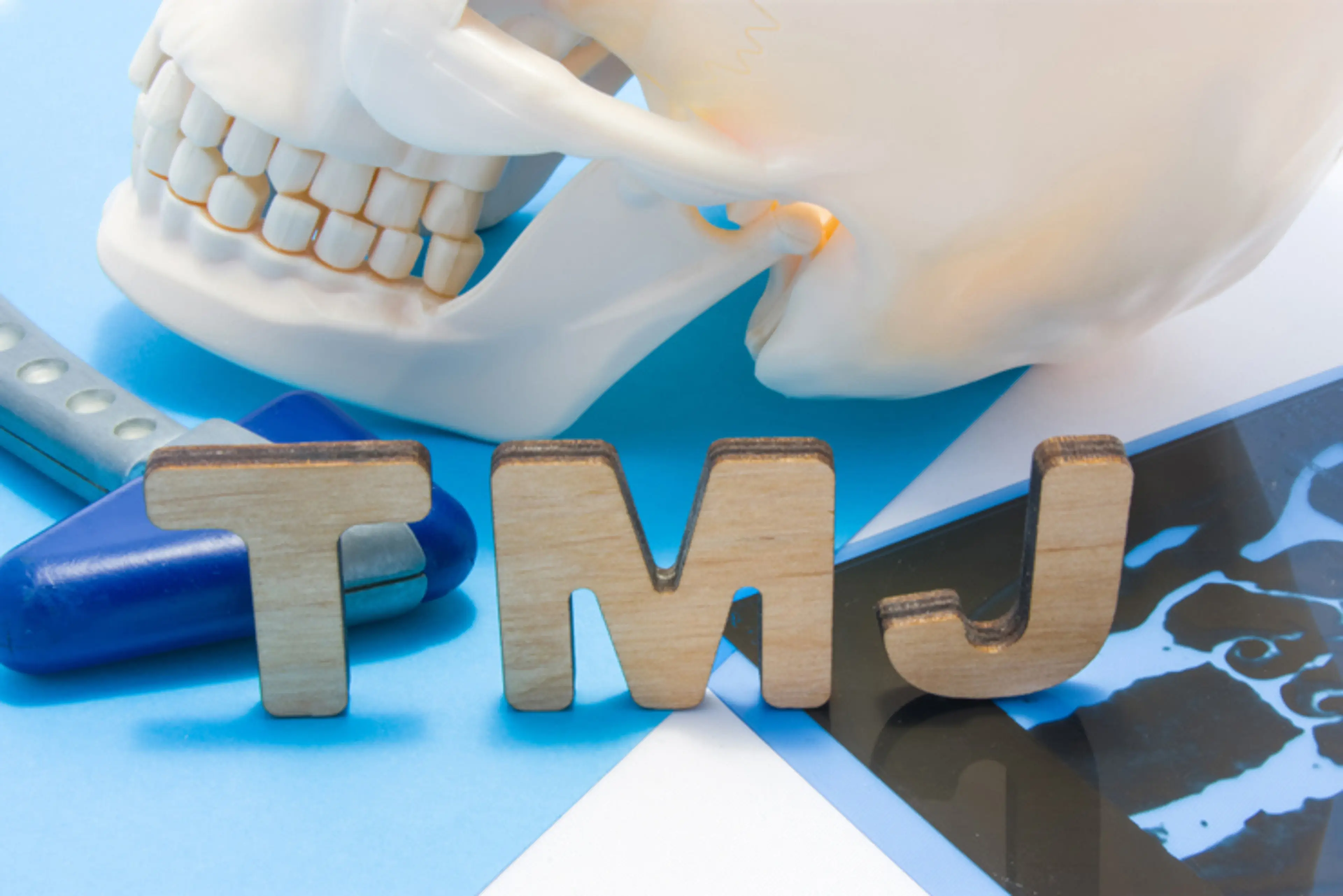
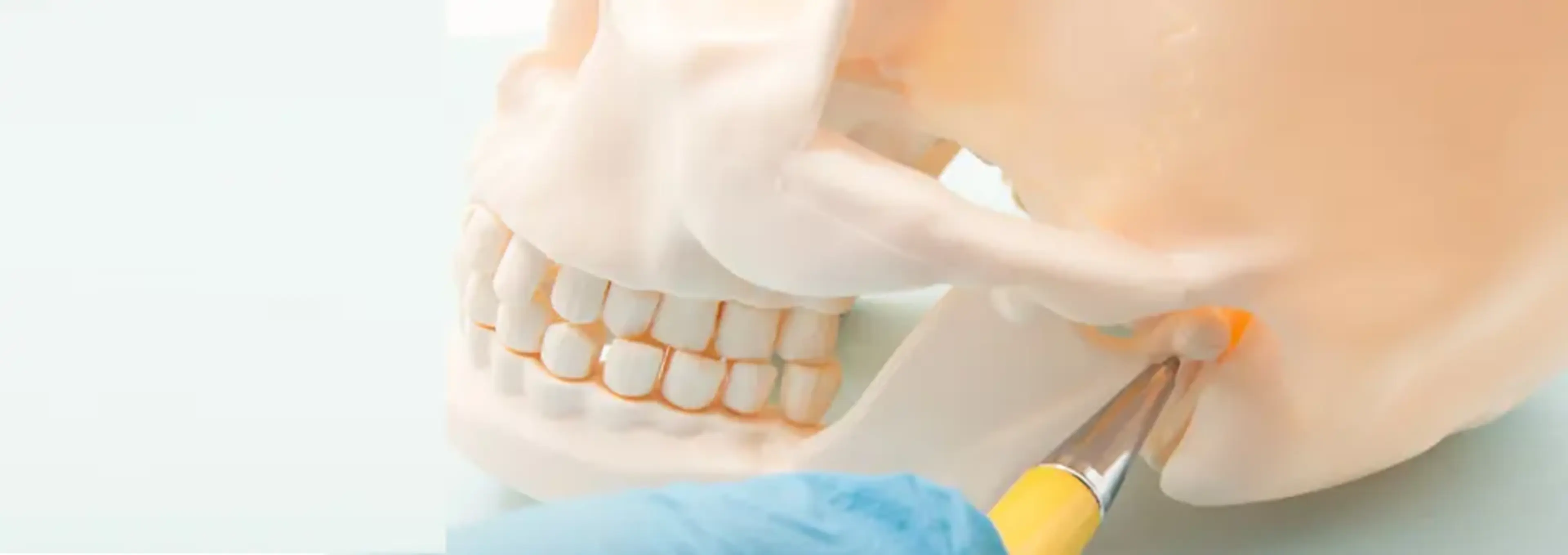
The temporomandibular joint (TMJ) is one of the most complex joints in the human body. It connects your lower jaw (mandible) to your skull, right in front of the ears. Unlike a simple hinge, the TMJ allows both rotation and sliding motions, which is why you can open, close, and move your jaw side-to-side when chewing or speaking.
A helpful way to picture it is to imagine a door hinge that also has a sliding track. When that track is smooth and the hinge is aligned, the door swings without issue. But if the hinge is rusty, or the track is uneven, the door squeaks, sticks, or doesn’t open fully.
Because the TMJ is involved in almost every oral movement — chewing, swallowing, speaking, yawning — even a minor imbalance can create noticeable symptoms. Patients may experience:
What surprises many people is that TMJ problems often extend beyond the jaw itself. Chronic tension can affect posture, cause uneven wear on teeth, and in severe cases, influence facial symmetry.
A locking or clicking jaw is a sign that the joint is under strain. But the reasons can vary widely.
Clenching and grinding (bruxism) are leading causes of TMJ issues. Stress often triggers unconscious habits, especially at night. Overworked jaw muscles pull unevenly, creating tension and abnormal movements.
Inside the TMJ is a small cushioning disc made of cartilage. It ensures smooth motion as the jaw slides and rotates. When this disc slips out of place, the joint may “click” as it snaps back during movement, or “lock” if it fails to return properly.
If your teeth don’t meet evenly, the jaw must adapt every time you chew. Over years, this imbalance can overstress the joint. Dr. Se Hong Oh often compares it to train tracks: if they are slightly off, the train still runs, but with friction and instability that wear down the system.
In older patients, degenerative changes in the joint itself may lead to stiffness, limited range, and pain. Just like a knee or hip joint, the TMJ can develop arthritis.
Past extractions, poorly fitting dental work, or aggressive orthodontic treatment can sometimes contribute to TMJ strain, particularly if the jaw has had to compensate.
If your jaw suddenly locks or clicks, it can be tempting to push it back into place. Resist that urge. Forcing the jaw can worsen inflammation or cause further injury. Instead:
If the jaw remains stuck for several hours, or if locking is frequent, schedule an appointment with a dentist who specializes in TMJ disorders.
Left untreated, even mild symptoms can lead to:
Chronic pain in the face, temples, or neck
Limited ability to open the mouth (impacting eating and speech)
Tooth wear or fractures from grinding and imbalance
Compensatory posture problems affecting shoulders and spine
Long-term joint degeneration
Our clinic philosophy is conservative and protective. TMJ treatment should never default to surgery unless absolutely necessary. Most patients improve significantly with non-invasive care, which may include:
Also called night guards, these devices reduce grinding and balance jaw forces. Unlike over-the-counter guards, custom splints are designed from precise jaw scans and adjusted over time.
Guided exercises help restore normal motion and reduce muscle strain. Patients are often surprised at how simple stretches — when performed consistently — can transform jaw mobility.
Because emotional tension often worsens clenching, stress management techniques such as mindfulness, posture correction, and better sleep routines play a vital role.
If a crown, filling, or prosthetic is disrupting the bite, carefully adjusting or replacing it can significantly reduce stress on the TMJ.
Surgery is reserved for rare cases, such as severe disc displacement or advanced joint degeneration. Even then, our philosophy is to attempt minimally invasive procedures first.
You should not ignore TMJ symptoms if you notice:
Frequent locking or difficulty opening beyond two fingers’ width
Daily pain in the jaw, temples, or ears
Clicking that persists for months, especially if painful
Headaches that worsen with chewing or stress
Uneven wear or cracking on teeth from grinding
These are signs that your jaw is under chronic strain. An evaluation with a TMJ specialist can prevent further complications and restore function before permanent damage occurs.
TMJ disorders can be frustrating, but the outlook is hopeful. With the right diagnosis and care, most patients regain smooth, pain-free jaw movement. Just as importantly, many find relief from related issues like headaches, ear pressure, and tooth wear.
At OnO Dental Clinic, Dr. Se Hong Oh brings over 31 years of experience in managing complex dental and jaw problems. His conservative approach ensures natural teeth and joints are preserved whenever possible. Working alongside Dr. Hoijin Oh, the clinic provides both functional care and aesthetic dentistry, helping patients not only feel better but also smile with confidence.
A clicking or locking jaw isn’t something to dismiss as a harmless quirk. It’s your body’s way of signaling imbalance. By addressing the issue early — with careful diagnosis and minimally invasive treatment — you can prevent long-term damage and return to comfortable, confident living.