Home / Articles
TMJ Treatment for Women: Why Hormones May Play a Role in Your Symptoms
Home / Articles
TMJ Treatment for Women: Why Hormones May Play a Role in Your Symptoms
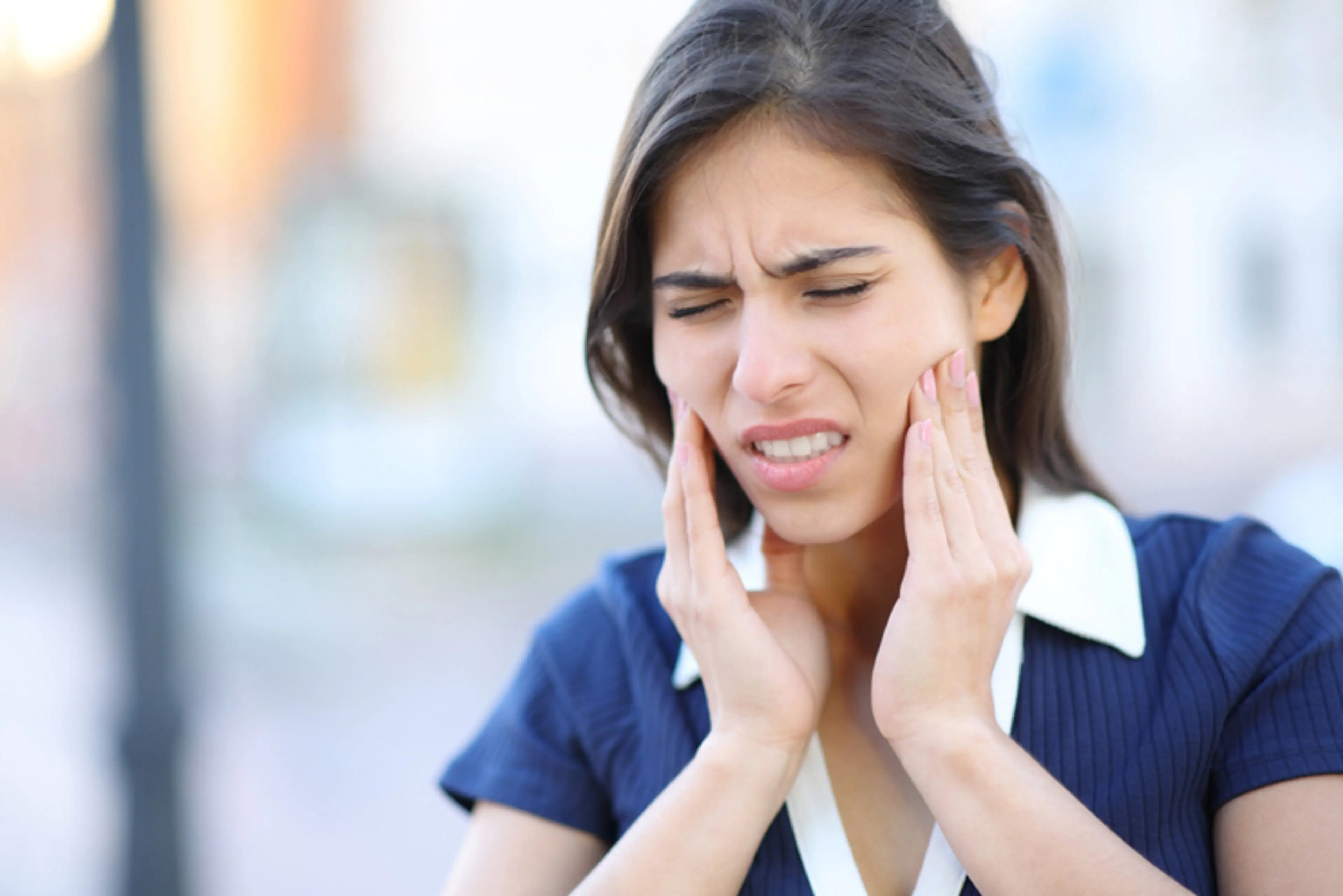
If you’re a woman experiencing jaw pain, ear-ringing, clicks or pops when opening your mouth, or discomfort when chewing, you’re not alone. At OnO Dental Clinic in Gangnam, we’ve noticed a distinct pattern: women are disproportionately affected by disorders of the temporomandibular joint (TMJ). Research shows that TMJ disorders (often grouped under TMD, or temporomandibular disorders) occur 1.5 to 2 times more frequently in women than in men.
What many patients don’t realise is that hormonal fluctuations — especially around puberty, menstrual cycles, pregnancy, and menopause — may play a significant role in why women develop or feel TMJ-related symptoms. In this article, we’ll explore what those hormone-related mechanisms might be, why they matter in clinical practice (and for you), and how we at OnO Dental Clinic approach TMJ care for women with this understanding in mind.
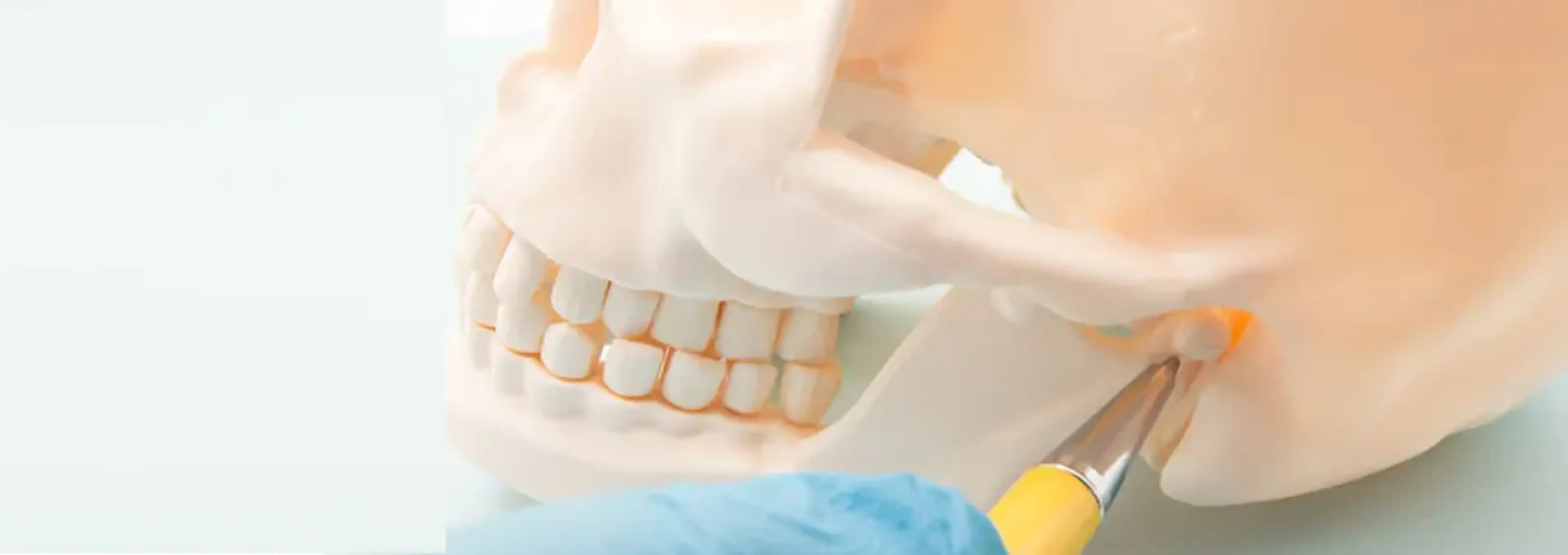
The TMJ is a complex joint connecting your lower jaw (mandible) to the skull. It’s designed for both hinge-motion and sliding motion, and is supported by muscles, ligaments and a disc. Because of its special structure and constant use (chewing, talking, swallowing), it’s particularly sensitive to both mechanical stress and biological changes.
Here are a few of the mechanisms thought to link hormones — especially oestrogen — to TMJ issues:
While these mechanisms are plausible, the human evidence is not yet conclusive. Hormones may contribute to pain intensity or sensitivity in the TMJ region, and may make the joint more vulnerable. But they don’t necessarily cause every TMJ problem on their own.
You’re a woman in your late 20s who has noticed that just before your period, your jaw feels stiff, you hear more clicking when opening your mouth, and you feel more discomfort when chewing. What many don’t realise is that this aligns with a drop in oestrogen in the luteal phase, which could reduce your pain-threshold or increase sensitivity. We’ve had patients say:
“I only seem to get jaw pain when I’m under a lot of stress and it’s that time of month.”
At our clinic, we take note of cyclical patterns in symptoms — many women don’t connect their menstrual cycle with TMJ discomfort, but this can be a helpful clue.
During pregnancy, hormone levels (including oestrogen and relaxin) increase significantly. Some women report a new onset of jaw-clicking or locking. The increased ligament laxity combined with other stressors (sleep changes, bruxism, altered posture) can tip the balance in a previously compensated joint.
A woman in her 50s begins to experience jaw pain and limited opening for the first time. Studies comparing menopausal versus non-menopausal women found that TMD criteria were more common in the menopausal group. Hormonal decline may reduce protective mechanisms in joint tissues and amplify degenerative changes or pain perception.
Because we’ve seen how female hormonal factors intersect with TMJ health, our treatment philosophy is tailored accordingly:
In your first visit, we’ll ask about:
Age at menarche, menstrual cycle regularity, contraceptive use
Pregnancy history, whether symptoms worsened during pregnancy
Menopausal status, hormone replacement therapy if any
Onset/timing of jaw symptoms in relation to cycle or life-stage
This helps us understand whether your TMJ symptoms may have a hormonal or pain-modulation component.
Led by Dr. Se Hong Oh, with over 31 years in orthodontics, TMJ care, and dental implants, we use 3D CT, digital bite analysis, and minimally invasive examinations to identify functional issues such as jaw alignment, occlusion, and muscle tension. Our philosophy emphasizes preserving natural teeth and stable joints, avoiding extraction-heavy or irreversible procedures.
For women whose TMJ problems may have a hormone-sensitive component, we integrate:
Jaw muscle de-tensioning and habit control (e.g. night guards, chewing habit counselling)
Joint loading optimisation (via bite correction, orthodontic alignment if needed)
Lifestyle and stress management (hormones plus stress often equals more pain)
Timing of care: sometimes synchronising interventions around your cycle can reduce flare-ups
Close monitoring through life-stages, adjusting treatment proactively
When hormonal issues are significant, such as in cases involving endocrine disorders or menopausal bone changes, we collaborate with endocrinologists or gynaecologists to ensure care is coordinated with your overall health.
Track your jaw symptoms in relation to your menstrual cycle or hormonal changes
Limit excessive chewing and avoid parafunctional habits like nail biting
Use a night-guard if you clench or grind your teeth, especially during stressful periods
Maintain good posture to reduce neck and shoulder tension
Practice stress-reducing techniques like mindfulness or physiotherapy
If you have persistent jaw pain, clicking or locking that doesn’t improve with rest
If your symptoms change significantly with hormonal shifts like pregnancy or menopause
If you've been recommended extraction or surgery for jaw issues without a comprehensive functional evaluation
At OnO Dental Clinic, we believe that for many women, TMJ problems are not just about the joint or alignment — they’re part of a broader interplay of biomechanics, muscle function, habits, and hormones. Recognising that your jaw pain may be linked to your hormonal cycle, pregnancy or menopause is the first step toward meaningful, lasting relief.
If you’ve been told that extraction or surgery is your only option, or that jaw pain is just something you have to live with — think again. With a philosophy rooted in preservation, precision diagnostics, and personalised care, we aim to help you regain comfort, function and confidence for this phase of life and beyond.
If you’d like to explore whether your jaw symptoms may be hormone-related, feel free to schedule a consultation. We’re here to listen and help.