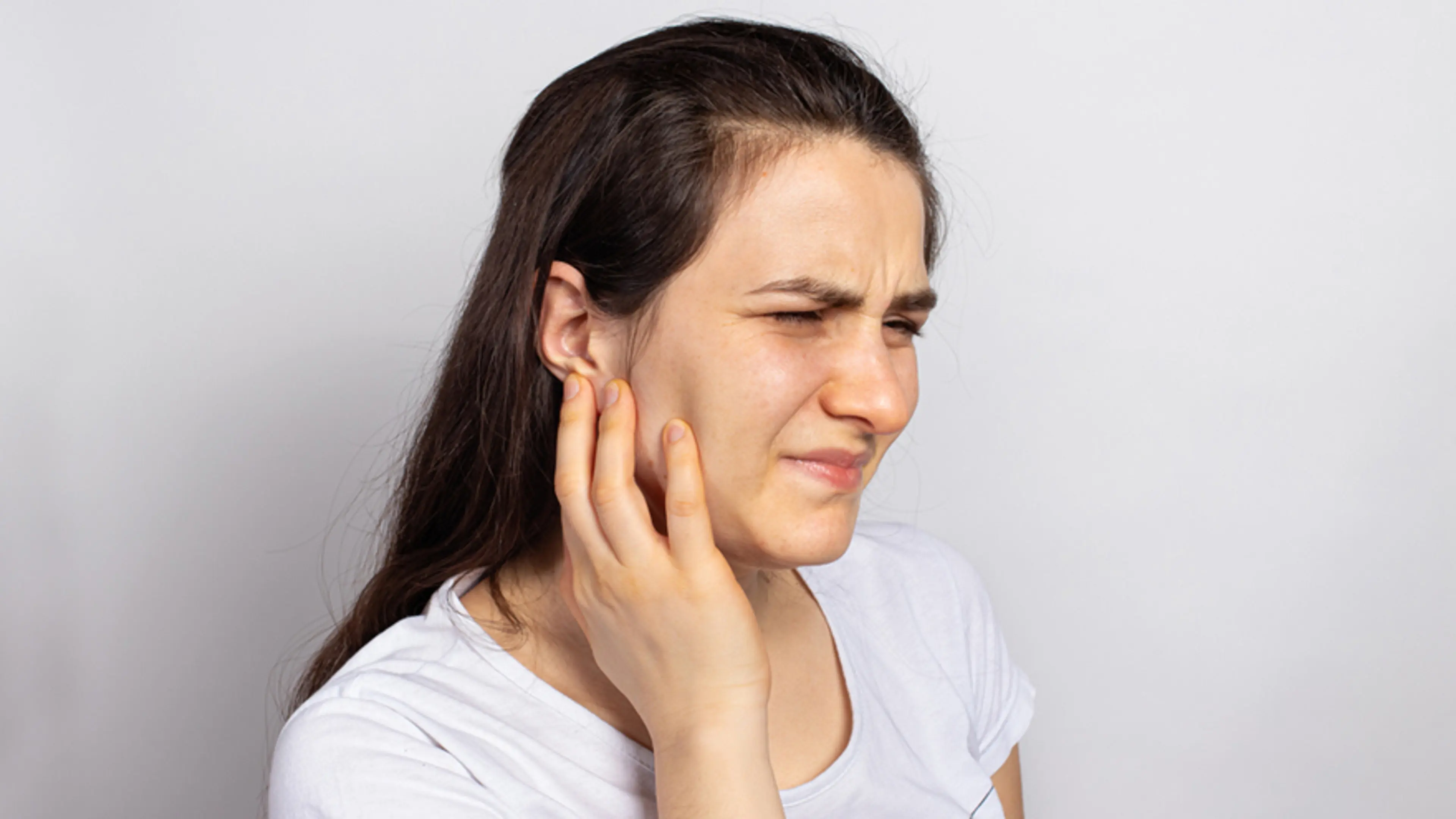
TMJ and Ear Pain: How They're Connected and What You Can Do About It
tmj-and-ear-pain:-how-they're-connected-and-what-you-can-do-about-itIf you've ever experienced a sudden, sharp pain in your ear, you might have wondered whether it's an ear infection or something else entirely. For many people, the answer lies not within the ear itself, but in the jaw. Yes, the jaw. This connection often involves a condition known as temporomandibular joint (TMJ) dysfunction, a common but often misunderstood issue that can cause not only jaw pain but also ear discomfort.
At OnO Dental Clinic, located in the heart of Gangnam, Seoul, we see many patients who come in with complaints of ear pain, only to discover that their TMJ is the culprit. With over 31 years of clinical and academic experience, Dr. Se Hong Oh and our expert team specialize in identifying and treating conditions like TMJ dysfunction with precision, using advanced diagnostics like 3D CT scans and a minimally invasive approach to care.
If you’ve been struggling with ear pain that doesn’t seem to have a clear cause, understanding the link between TMJ and ear discomfort can be the key to finding relief.
What Is TMJ and How Does It Relate to Ear Pain?
what-is-tmj-and-how-does-it-relate-to-ear-painThe temporomandibular joint (TMJ) is the hinge that connects your jaw to your skull, located just in front of your ears. It allows your jaw to move up and down, side to side, and enables essential functions like chewing, speaking, and yawning. However, when this joint becomes misaligned or experiences stress — through injury, teeth grinding, or improper bite alignment — it can lead to
TMJ dysfunction.
TMJ dysfunction can manifest in several ways, including:
Jaw pain and stiffness
Difficulty chewing or speaking
Clicking or popping sounds when opening or closing the mouth
Headaches
Ear pain or a feeling of fullness in the ear
This last symptom, ear pain, is particularly perplexing because the problem is actually originating in the jaw, not the ear itself. But how can something in your jaw affect your ear?
Why Does TMJ Cause Ear Pain?
why-does-tmj-cause-ear-painThe connection between TMJ and ear pain lies in the close proximity of the temporomandibular joint to the ear. The muscles and nerves responsible for jaw movement are intricately linked with those involved in ear function. When the TMJ is out of alignment or stressed, it can lead to a ripple effect of discomfort, which may radiate into the ear area.
Here are a few reasons why TMJ dysfunction can cause ear pain:
Muscle Tension and Referred Pain
The muscles that control jaw movement, particularly the masseter and temporalis muscles, can become tense and fatigued with TMJ dysfunction. These muscles are so close to the ear that any tension can cause referred pain, which feels like ear discomfort.
Pressure on Nerves
TMJ issues can also put pressure on nearby nerves, including those that affect the ear. Inflammation or misalignment of the joint can cause the nerves to become irritated, leading to pain in the ear canal or around the ear.
Eustachian Tube Dysfunction
The Eustachian tube helps regulate pressure in the ear, ensuring that it remains balanced with the outside environment. TMJ dysfunction can affect the muscles around the Eustachian tube, potentially causing a sensation of fullness or pressure in the ear, similar to the feeling you get when flying or diving.
Jaw Clenching and Teeth Grinding
People with TMJ dysfunction often grind their teeth or clench their jaw, especially while sleeping. This can intensify pressure on the TMJ, leading to even more strain on the surrounding muscles and tissues, which in turn causes ear discomfort.
The Overlap: Why It’s Hard to Tell the Difference Between Ear Infections and TMJ-Related Ear Pain
the-overlap:-why-it's-hard-to-tell-the-difference-between-ear-infections-and-tmj-related-ear-pain
When it comes to ear pain, many patients initially assume they have an ear infection. After all, ear infections cause sharp pain, often accompanied by a sense of fullness, drainage, and sometimes even hearing loss — symptoms that can easily overlap with TMJ issues.
However, an ear infection usually presents with more noticeable symptoms like fever, redness, and discharge from the ear, which TMJ-related ear pain typically doesn’t involve. Additionally, ear infections are more common in younger people or those with a history of frequent colds, while TMJ dysfunction is most often seen in adults, particularly those with a history of stress, teeth grinding, or jaw clenching.
How TMJ Ear Pain Affects Your Daily Life
how-tmj-ear-pain-affects-your-daily-lifeThe impact of TMJ-related ear pain extends beyond just the discomfort you feel. Here’s how it can affect your everyday life:
Difficulty Sleeping
The pain from a misaligned TMJ can make it hard to find a comfortable position, especially if you're prone to grinding your teeth at night. This can lead to disrupted sleep and a lack of restorative rest, contributing to even more stress and muscle tension.
Interference with Eating and Speaking
TMJ dysfunction can make simple activities like chewing, speaking, or even yawning painful. This can interfere with your ability to enjoy meals or socialize comfortably, which can take a toll on your quality of life.
Chronic Headaches and Migraines
TMJ dysfunction is often accompanied by frequent headaches, including tension headaches or migraines. The pressure and misalignment caused by TMJ can trigger these painful episodes, further complicating the issue.
What You Can Do About It: TMJ Treatment Options
what-you-can-do-about-it:-tmj-treatment-options
If you’re suffering from ear pain linked to TMJ dysfunction, there are effective treatments available to help alleviate your symptoms and restore proper jaw function. At OnO Dental Clinic, we offer a comprehensive range of non-invasive treatment options, each tailored to the needs of the individual.
Non-Extraction Orthodontics
One of the most innovative treatments we offer is non-extraction orthodontics, which focuses on realigning the teeth and jaw without the need for tooth extraction. This can help correct bite issues that may be contributing to your TMJ dysfunction and associated ear pain.
Physical Therapy for TMJ
Specialized physical therapy techniques can help strengthen the muscles around the jaw and alleviate tension, reducing both jaw and ear pain. These therapies focus on improving range of motion and muscle relaxation.
Custom Nightguards
If teeth grinding or jaw clenching is exacerbating your TMJ dysfunction, a custom-fitted nightguard can help protect your teeth and jaw while you sleep, relieving strain on the TMJ and reducing ear discomfort.
Jaw Exercises and Stretching
Specific jaw exercises designed to improve jaw movement and reduce tension can be beneficial. These exercises can be performed at home and are a non-invasive way to ease symptoms of TMJ dysfunction.
Botox for TMJ
In some cases, Botox injections can help relieve the muscle tension associated with TMJ dysfunction. The injections target the muscles around the jaw, reducing pain and preventing clenching and grinding.
Surgical Options (for Severe Cases)
In rare cases, when non-invasive treatments don’t provide relief, surgery may be considered. Surgical options for TMJ dysfunction are typically a last resort and are carefully evaluated on an individual basis.
Why See a TMJ Specialist?
why-see-a-tmj-specialistIf you suspect your ear pain is related to TMJ dysfunction, it’s important to consult with a dental professional who specializes in TMJ disorders. The
trusted team at OnO Dental Clinic has years of experience diagnosing and treating TMJ conditions with a focus on preserving natural teeth and using minimally invasive techniques. With advanced diagnostic tools like 3D CT scans, we can accurately assess the root cause of your discomfort and recommend a treatment plan that’s best for you.
Whether you're dealing with ear pain, jaw discomfort, or headaches, getting the right diagnosis is the first step toward relief. A TMJ evaluation at our clinic could uncover the underlying issues that may be affecting your jaw, and ultimately, your ear health.
Conclusion: Don't Suffer in Silence
conclusion:-don't-suffer-in-silenceTMJ dysfunction is a condition that often goes undiagnosed because its symptoms can easily be mistaken for other issues, such as ear infections. However, if you’re experiencing chronic ear pain, jaw discomfort, or any of the associated symptoms of TMJ dysfunction, it's worth exploring the connection.
At
OnO Dental Clinic, we understand the complexities of TMJ disorders and are dedicated to helping patients find relief through personalized care. Don’t let ear pain control your life — if you think your TMJ might be the cause, schedule an evaluation today and start your journey toward better oral health and comfort.