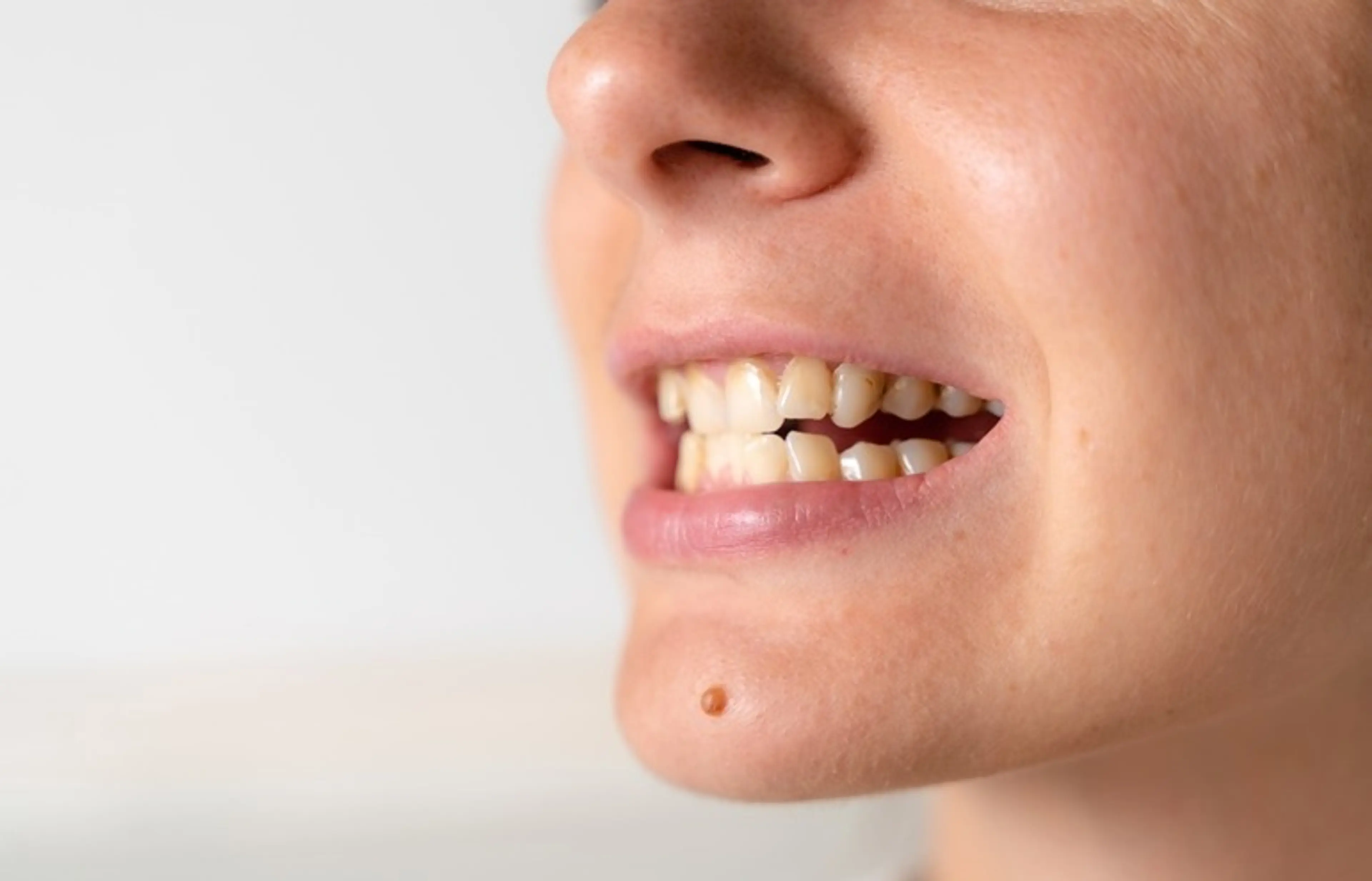
Dental crowding is one of the most common concerns patients bring to our clinic in Gangnam — but it’s also one of the most misunderstood. Many walk in thinking crooked teeth are just cosmetic, or that extraction is the only way forward. In reality, there’s a spectrum of solutions for crowding, and the best option depends on your facial growth pattern, bite dynamics, airway considerations, and long‑term stability — not just the angle of your front teeth.
At OnO Dental Clinic, under the clinical leadership of Dr. Se Hong Oh (with over 30 years of experience), we approach crowding with a principle that’s become our hallmark: preserve what’s healthy, align what’s misaligned, and support function as much as aesthetics. This article cuts through the noise and helps you understand your choices, the why behind them, and how to choose what’s genuinely right for you — not what’s most marketed.
What Is Dental Crowding — Really?
what-is-dental-crowding-reallyDental crowding happens when there isn’t enough space in your jaw for all your teeth to sit in proper alignment. Instead of forming a smooth arch, teeth twist, overlap, or rotate.
To many people, crowding just looks crooked. But there’s more beneath the surface:
It can affect chewing efficiency and bite balance
It can create plaque traps that increase gum disease risk
It may contribute to temporo‑mandibular joint (TMJ) discomfort
It sometimes reflects deeper issues with jaw development or airway
In practice, crowding isn’t just an aesthetic problem — it’s a functional one that, left untreated, can influence overall oral health and facial harmony.
Why You Shouldn’t Rush to Pull Teeth
why-you-shouldn't-rush-to-pull-teethA common message in many orthodontic offices is: “We need to extract teeth to make space.” But if that’s all you hear, pause for a moment.
What many patients don’t realize is:
Extraction doesn’t always guarantee a stable, balanced smile — and can sometimes compromise facial aesthetics or lead to bite issues.
Extracting teeth may create space, yes, but that space needs a plan — a plan that considers:
In decades of clinical experience, Dr. Oh has found that preserving teeth and maximizing natural arch development often leads to better functional and aesthetic outcomes, when it’s feasible.
At OnO Dental Clinic, we don’t extract unless it’s justified — for example, severe crowding that can’t be resolved otherwise, an impacted tooth causing pathology, or compromised periodontal support.
Orthodontic Options for Correcting Crowding
orthodontic-options-for-correcting-crowdingLet’s walk through the main orthodontic approaches — from traditional to modern — with clear pros, cons, and who they’re best for.
1. Traditional Braces (Metal or Ceramic)
1.-traditional-braces-(metal-or-ceramic)
Best for: Moderate to severe crowding, complex bite issues
How it works: Brackets are bonded to your teeth and connected with wires that gently guide teeth into position over time.
Why it’s effective:
Excellent control of tooth movement
Can handle complex rotations and vertical movements
Predictable outcomes in experienced hands
Considerations:
Aesthetic concerns (ceramic options are less visible)
Requires good oral hygiene
Adjustments every 4–8 weeks
What many patients appreciate:
Metal braces today are sleeker and more comfortable than ever. For those with significant crowding or bite discrepancies, they often offer the most reliable path to a stable, aligned arch.
2. Clear Aligners (e.g., Invisalign and Similar Systems)
2.-clear-aligners-(e.g.-invisalign-and-similar-systems)Best for: Mild to moderate crowding, motivated patients
How it works:
A series of clear, removable trays that apply gentle pressure to reposition teeth in stages.
Advantages:
Limitations:
Less effective for severe rotations or vertical control
Requires discipline — must be worn ~22 hours/day
Complex cases may need refinements or attachments
In experienced hands, aligners can deliver excellent results — especially when digital planning anticipates movement and addresses bite dynamics. But they’re not universally “better” than braces — just different tools for different needs.
3.-arch-development-(nonextraction-orthodontics)Best for: Growing patients or adults with mild to moderate crowding
One of the big shifts in modern orthodontics — especially here at OnO — is recognizing that many cases of crowding stem from insufficient arch length, not too many teeth.
Instead of pulling teeth, we may choose to:
This can be achieved through devices like:
Why this matters:
Creating room by shaping the arch — instead of removing teeth — often leads to better support for lips and cheeks, improved airway space, and long‑term stability.
Adults can also benefit from arch development when handled with precision and careful periodontal assessment. This approach embodies our philosophy: correct the environment first, then guide the teeth.
4. Surgical‑Orthodontic Solutions
4.-surgicalorthodontic-solutionsBest for: Severe skeletal discrepancies
Some crowding isn’t just about tooth alignment — it’s about jaw structure. In cases where upper and lower jaws don’t align properly (due to genetics or growth patterns), surgical orthodontics combined with braces may be the best route.
This typically involves:
Pre‑surgical orthodontics
Orthognathic (jaw) surgery
Post‑surgical fine‑tuning
While more involved, this option reshapes both function and form for lasting health and a balanced profile.
How We Decide What’s Best for You
how-we-decide-what's-best-for-you
Choosing an orthodontic plan isn’t just ticking boxes — it’s a careful evaluation of your entire facial system. At OnO Dental Clinic, we look at:
1. Facial Harmony
1.-facial-harmonyNot just the teeth — how your lips, cheeks, and profile relate.
2. Bite Mechanics
2.-bite-mechanicsHow upper and lower teeth meet in function, not just in photos.
3. Airway & Jaw Joint Health
3.-airway-and-jaw-joint-healthCrowding and restricted arches can influence breathing and TMJ.
4. Skeletal Structure
4.-skeletal-structureEspecially in teens and young adults, the growth pattern guides what’s possible.
5. 3D Imaging & Digital Planning
5.-3d-imaging-and-digital-planningWe use advanced diagnostics, including 3D CT scans when indicated, to see what’s happening beneath the surface — not just on the smile line.
This isn’t “sales talk.” This is precision dentistry — ensuring that every movement has a purpose and every plan respects your tissues and long‑term wellbeing.
A Real‑World Example
a-realworld-exampleConsider two patients with similar crowding:
Patient A is 14, with moderate crowding and flexible sutures in the jaw.
→ We may expand the arch and use braces to align — avoiding extraction.
Patient B is 30, with severe rotations and a narrow arch.
→ We may recommend a combination of aligners/braces and mini‑expansion techniques.
Both have crowding — but the route to the end result is individualized.
Common Myths About Orthodontic Crowding
common-myths-about-orthodontic-crowdingLet’s bust some myths that often mislead patients:
myth:-"extraction-is-always-necessary-for-crowding."Truth: Extraction is sometimes the most practical option — but not always. Many crowded smiles can be resolved with expansion and careful planning.
❌ Myth: “Clear aligners are cosmetic and not real orthodontics.”
myth:-"clear-aligners-are-cosmetic-and-not-real-orthodontics."Truth: Aligners are orthodontic tools. They require the same biomechanical principles as braces and must be planned thoughtfully.
❌ Myth: “Crowding doesn’t need to be treated if it’s just cosmetic.”
myth:-"crowding-doesn't-need-to-be-treated-if-it's-just-cosmetic."Truth: Untreated crowding can lead to gum disease, bite wear, and TMJ strain over time.
What Treatment Feels Like — A Patient Perspective
what-treatment-feels-like-a-patient-perspectiveEvery journey starts with a conversation. At your first visit:
We listen to your goals and concerns
We evaluate your bite, smile, and facial structure
We use diagnostic imaging to map your anatomy
We explain options, timelines, and what to expect
Many patients say the hardest part was deciding to start — not the treatment itself. Modern orthodontics is more comfortable and predictable than ever.
After Treatment — Retention Matters
after-treatment-retention-mattersOnce we align your teeth, holding that alignment matters.
Teeth have “memory.” Without retention, they can drift back toward crowding. That’s why we often recommend:
Clear or wire retainers
Night stability checks
Periodic evaluations
A beautiful, stable smile is a long‑term investment — not a temporary fix.
Final Thoughts — What’s Best for You?
final-thoughts-what's-best-for-youThere is a best solution for your crowding — but it depends on you, not a one‑size‑fits‑all answer.
At OnO Dental Clinic, we guide you through:
If dental crowding is affecting your confidence, comfort, or oral health, the next step is a thoughtful evaluation — not a rushed decision.
Orthodontics isn’t just about straight teeth — it’s about creating space that respects your anatomy, preserves your health, and supports your smile for years to come.
Feel free to reach out to us in Gangnam for a comprehensive consultation — we’re here to help you find the right path forward, with clarity and care.