Home / Articles
Can Clear Aligners Help Fix Dental Crowding? The Pros and Cons
Home / Articles
Can Clear Aligners Help Fix Dental Crowding? The Pros and Cons
Walk down the streets of Seoul’s Gangnam district and you’ll notice more people smiling confidently than ever before. Subtle, nearly invisible orthodontic treatments like clear aligners have transformed how both teenagers and adults think about straightening their teeth.
The answer isn’t always simple. Clear aligners are powerful tools, but like any treatment, their success depends on the case, the planning, and the guiding hands behind them. Let’s explore what aligners can — and can’t — do for crowded teeth.
Dental crowding happens when the jaw doesn’t have enough space to fit all the teeth in proper alignment. It may show up as:
Overlapping front teeth
Teeth that rotate out of line
Narrow arches that cause the bite to collapse inward
Crowding may also be linked to childhood habits (like thumb sucking), early loss of baby teeth, or even inherited jaw structure. In adults, wisdom teeth pushing in from the back can exacerbate existing misalignments.
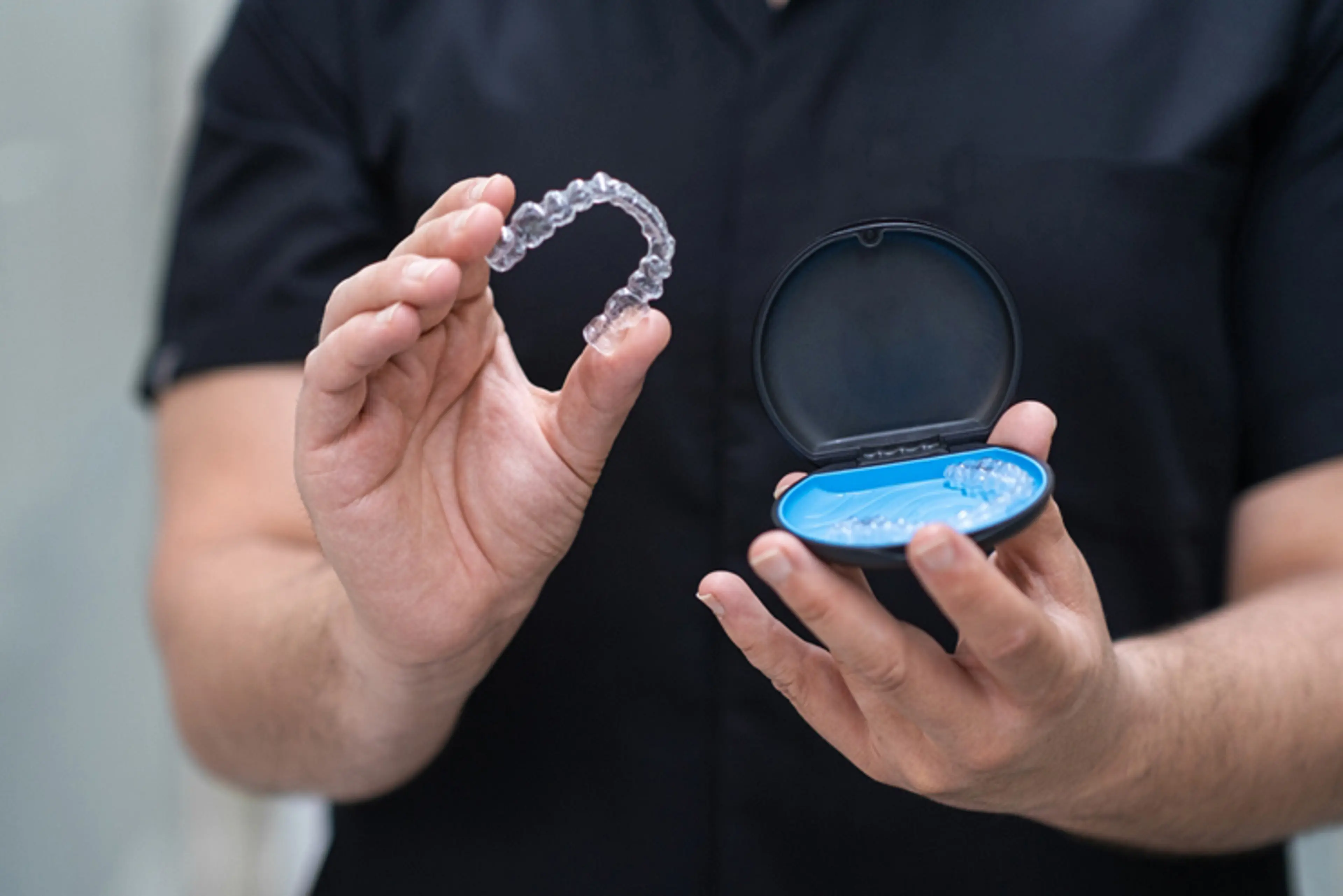
Clear aligners, such as Invisalign and other systems, work by applying gentle, staged pressure to move teeth over time. Instead of brackets and wires, patients wear a series of custom trays designed to gradually shift teeth into better positions.
For mild to moderate crowding, aligners are often highly effective. They can:
Widen the arch slightly to create space
Straighten rotated or tilted teeth
Improve bite alignment in certain cases
Aligners offer the added advantage of digital planning, allowing our orthodontists to simulate the entire treatment process from the beginning. This helps us predict challenges and minimize surprises.
Because aligners are transparent, most people won’t notice you’re wearing them. They can be removed for meals and important occasions, making them ideal for professionals, students, and anyone self-conscious about braces.
This discretion can be especially important in international hubs like Seoul, where image-conscious adults often delay treatment due to fear of wearing metal braces in the workplace.
Without brackets or wires, there’s less irritation to the cheeks and lips. Oral hygiene is also easier — patients can brush and floss normally, lowering the risk of plaque buildup.
In crowded teeth, flossing can be difficult even without braces. With aligners, patients typically experience fewer hygiene challenges during treatment.
At our clinic, digital planning allows us to simulate tooth movement before treatment even begins. Patients can see how their smile will change and understand the timeline more clearly.
This also supports accountability. Every aligner tray corresponds to a scheduled movement, so if the teeth aren't tracking properly, we can detect and correct the issue early.
Non-extraction orthodontics helps maintain natural facial proportions. Removing teeth unnecessarily can lead to a flatter profile or sunken lips — something we actively avoid, especially in adult patients.
If crowding is extreme — for example, when teeth are severely rotated or the jaw is too narrow — aligners alone may not be enough. In such cases, traditional braces or a combination of treatments may be recommended.
Some cases may require additional tools like palatal expanders or even surgical orthodontics to modify the bone structure before aligner treatment.
For teenagers or busy adults, maintaining this routine can be challenging. We emphasize strong patient education and follow-up to keep treatments on track.
Aligners can correct mild bite issues, but more complex skeletal discrepancies (like a severe underbite, deep bite, or open bite) may require additional orthodontic tools or jaw-focused treatments.
We assess every patient’s bite not just by appearance, but also by function — how the teeth close, how the jaw joint responds, and whether the muscles are in harmony. Mismanaging bite correction can lead to long-term complications like TMJ disorders.
What many people don’t expect is that aligners often need small tooth-colored attachments or mid-course adjustments. These attachments help the aligners grip and move specific teeth more effectively.
While still discreet, this part of the process can surprise patients expecting a "tray-only" experience. In reality, refinement stages are common and ensure a more precise finish.
To be honest, we’ve seen too many patients who were promised quick results with aligners, only to find their crowding wasn’t fully resolved. This usually happens when the initial diagnosis was rushed.
Braces still provide more control for severe rotations or vertical changes. They allow orthodontists to make micro-adjustments in ways that plastic trays cannot. For this reason, we sometimes recommend a hybrid approach: beginning with braces to create space and finishing with aligners for detail work.
The best results come from matching the treatment to the patient, not forcing the patient into the treatment.
We also encourage consultations for adults who had braces in the past but experienced relapse. In many cases, aligners can gently restore alignment without restarting from zero.
“If you’ve been told you must extract teeth to fix crowding, think again. With non-extraction orthodontics, expansion, and aligner technology, we can often preserve your natural teeth and still achieve a beautiful, balanced smile.” — Dr. Se Hong Oh
Clear aligners are not just a cosmetic trend. They are a serious orthodontic tool that can fix many cases of dental crowding with comfort and discretion. But they are not a one-size-fits-all solution.
Whether you're just starting to explore orthodontic options or seeking a second opinion, our team is here to guide you with honesty, precision, and care.